When your motorcycle breaks down or you’re planning a move, knowing how to tow it safely is essential. This guide will walk you through everything you need to know about motorcycle towing, ensuring you make informed decisions and keep your bike safe. Understanding the basics of motorcycle towing can save you from potential mishaps and ensure that your beloved ride remains in pristine condition during transit.
Motorcycle towing isn’t just about moving a bike from one place to another. It involves understanding the dynamics of your motorcycle, the appropriate equipment needed, and the best practices to follow. By familiarizing yourself with these aspects, you’ll be better prepared for any situation that requires your motorcycle to be towed.
Towing a motorcycle isn’t as straightforward as towing a car. Motorcycles require careful handling and specialized equipment to ensure they aren’t damaged during transport. Unlike cars, motorcycles are more vulnerable due to their two-wheel design and lack of enclosure, making them susceptible to damage if not handled properly. Whether you’re stranded on the road or moving across the country, understanding the nuances of motorcycle towing can save you time, money, and stress.
Motorcycle towing involves more than just attaching a bike to a tow vehicle. It’s about ensuring stability and security throughout the journey. By understanding the different towing methods and the specific needs of your motorcycle, you can avoid common pitfalls and potential damages. This knowledge can be especially beneficial if you’re dealing with an unexpected breakdown or planning a long-distance move.
Different Methods of Motorcycle Towing
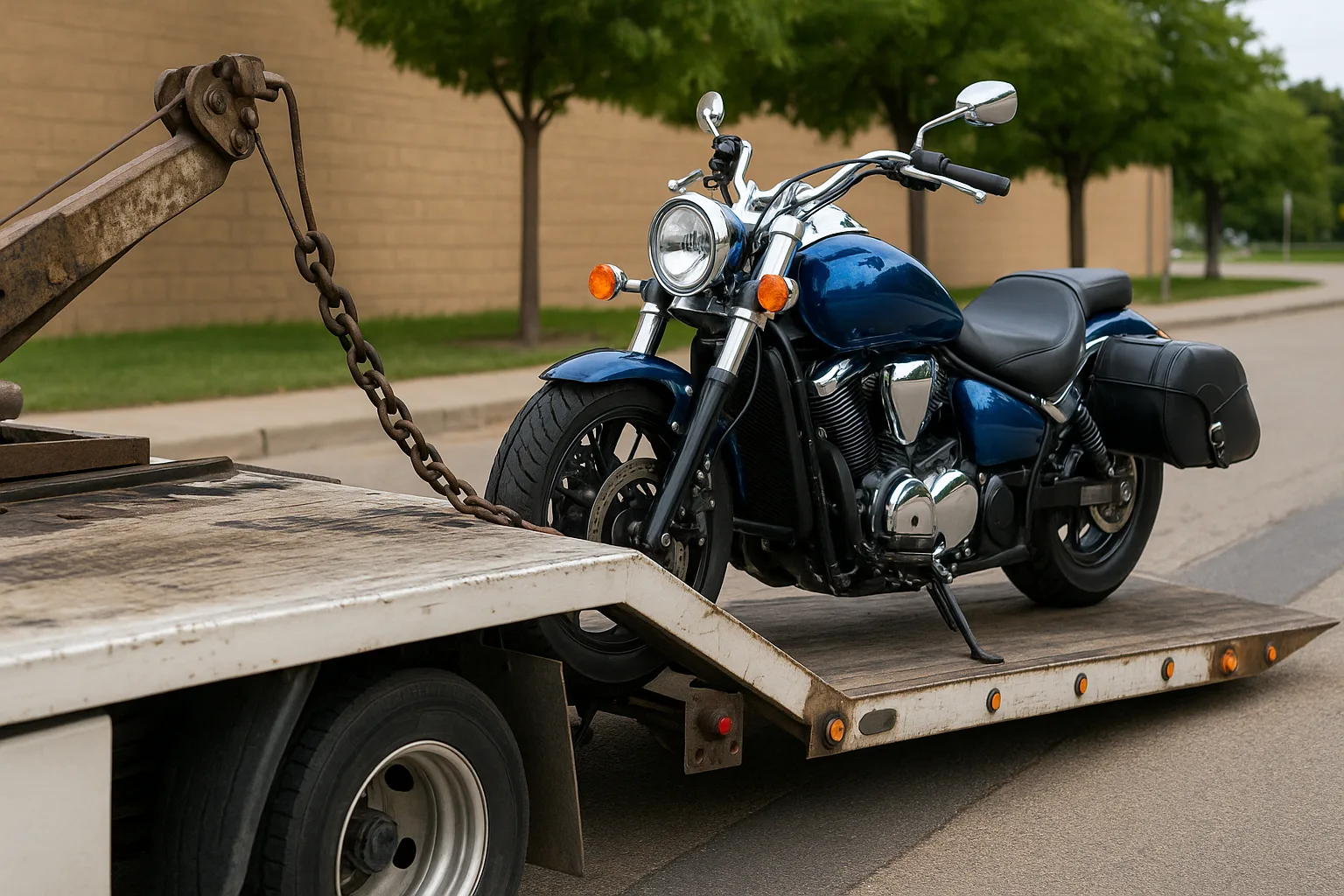
- Flatbed Towing: This is one of the most common and safest methods for towing motorcycles. Your bike is loaded onto a flatbed truck, ensuring all wheels are off the ground. This method minimizes the risk of damage, as the motorcycle is securely strapped and doesn’t move during transport. Flatbed towing is particularly advantageous for long-distance hauls or when transporting high-value bikes, as it offers maximum protection against road debris and environmental factors.
- Trailer Towing: A motorcycle trailer is specifically designed for bikes. These trailers come equipped with wheel chocks and straps to secure the bike in place. They can be attached to any vehicle with the appropriate towing capacity. Trailer towing is a versatile option that can accommodate multiple bikes at once, making it ideal for group trips or relocations. Additionally, trailers often feature shock absorption systems that help mitigate the impact of rough terrains on your motorcycle.
- Tow Dollies: These are less common but can be used for short distances. A tow dolly lifts the front wheel of the motorcycle off the ground, allowing the rear wheel to roll along the road. This method is not ideal for long distances as it can cause wear on the rear tire. Despite its limitations, tow dollies can be a cost-effective solution for short, local tows, especially if you’re in a pinch and need to move the bike quickly.
When to Consider Motorcycle Towing
- Breakdowns: If your bike breaks down and you can’t fix it on the spot, towing is the safest way to get it to a repair shop. Attempting to ride a malfunctioning motorcycle can exacerbate the problem and pose safety risks. Towing ensures that the bike reaches a professional mechanic without further damage.
- Relocation: Moving to a new city or state? Towing your motorcycle can ensure it arrives safely without adding mileage or wear. This is particularly useful if you’re relocating over a significant distance, as it preserves the bike’s condition and value. Additionally, towing can be more convenient than riding the bike, especially if the weather is unfavorable or the journey is too long.
- Buying or Selling: If you’re buying or selling a motorcycle that isn’t roadworthy, towing is a practical solution. For buyers, it guarantees that the newly purchased bike reaches its destination safely. Sellers can offer towing as an added value to potential buyers, ensuring that the transaction is smooth and hassle-free.
Safety Precautions in Motorcycle Towing
Safety should always be your top priority when towing a motorcycle. Here are some essential precautions to ensure that your motorcycle is transported without any hiccups. The importance of safety cannot be overstated, as even minor oversights can lead to significant damage or accidents.
Choosing the Right Equipment
- Straps and Tie-Downs: Use high-quality, heavy-duty straps to secure the motorcycle. Ensure they are rated for the weight of your bike. Opting for inferior straps can lead to slippage or breakage during transit, risking the safety of your motorcycle. Always double-check the condition of your straps before each use to avoid unexpected failures.
- Wheel Chocks: These are essential for keeping the motorcycle steady on a flatbed or trailer. They prevent the bike from rolling during transport. Wheel chocks provide stability and peace of mind, especially when navigating sharp turns or sudden stops. Investing in adjustable chocks can offer additional flexibility for various motorcycle sizes.
- Protective Covers: To shield your motorcycle from the elements, consider using a cover, especially for long-distance towing. Exposure to rain, dust, and debris can tarnish the bike’s finish and lead to corrosion. A high-quality cover acts as a barrier, preserving the aesthetic and functional integrity of your motorcycle throughout the journey.
Loading the Motorcycle
Loading the motorcycle onto the towing vehicle is a critical step that requires attention to detail and proper technique. Ensuring that your bike is loaded correctly is key to preventing any damage during transport.
- Use a Ramp: A sturdy ramp is necessary to load the bike onto a flatbed or trailer safely. The ramp should be wide enough to accommodate your bike’s tires and strong enough to support its weight. A ramp with a non-slip surface can provide additional safety during loading.
- Balance: Ensure the motorcycle is balanced and centered on the towing platform. Proper alignment prevents undue stress on the bike’s frame and suspension. Take the time to adjust the bike’s position until it is perfectly balanced to avoid any tipping or shifting during transit.
- Secure Properly: Use the straps and chocks to secure the bike. Double-check that all straps are tight and the bike is immobile. An extra pair of hands can be invaluable during this process, ensuring that the bike is stable and secure from multiple angles. Always err on the side of caution, as a well-secured bike is crucial for a safe journey.
Motorcycle Roadside Assistance and Recovery Services
When you’re stuck on the side of the road, having access to roadside assistance can be a lifesaver. These services provide immediate help for common issues like flat tires, battery failures, or running out of fuel. In addition to convenience, roadside assistance offers peace of mind, knowing that help is readily available when you need it most.
Benefits of Roadside Assistance
- 24/7 Availability: Many services offer round-the-clock assistance, ensuring you’re never left stranded. This is especially beneficial for those who travel frequently or during odd hours when local help may not be available. Knowing that help is just a phone call away can significantly reduce the stress of unexpected breakdowns.
- Expert Technicians: Professional technicians can often fix minor issues on the spot, saving you from unnecessary towing. Their expertise and specialized tools allow for efficient troubleshooting and quick solutions, getting you back on the road in no time. This not only saves time but also minimizes the inconvenience of being stranded.
- Peace of Mind: Knowing help is just a phone call away can make all the difference during stressful situations. Roadside assistance ensures that you’re supported, whether you’re facing a mechanical failure or a simple flat tire. This assurance allows you to focus on enjoying your ride without the constant worry of potential issues.
Motorcycle Recovery Services
For more severe situations, such as accidents or major mechanical failures, a motorcycle recovery service is necessary. These services specialize in safely transporting damaged or non-functioning motorcycles to a repair facility. Recovery services are equipped with the necessary tools and expertise to handle even the most challenging recovery scenarios.
Motorcycle recovery services offer a tailored approach to dealing with serious issues, ensuring that your bike is handled with care. They provide specialized equipment and trained professionals who understand the intricacies of motorcycle transport, making them an invaluable resource in times of need.

Choosing the Right Towing Service
Selecting a reliable towing service is crucial to ensure your motorcycle is handled with care. Here are some tips for making the right choice, ensuring that your motorcycle is in safe hands throughout the towing process.
Research and Reviews
- Check Credentials: Ensure the towing company is licensed and insured to handle motorcycle transport. A company’s credentials can provide insight into its professionalism and reliability. Licensed and insured services offer added protection, giving you peace of mind knowing that any potential damages are covered.
- Read Reviews: Online reviews can provide insights into the experiences of other customers. Feedback from previous clients can highlight the strengths and weaknesses of a towing service, helping you make an informed decision. Pay attention to consistent patterns in reviews, as they can indicate the overall quality of the service.
- Ask for Recommendations: Fellow riders can often recommend reputable towing services. Personal recommendations can be invaluable, as they come from trusted sources who have firsthand experience with the service. Networking with other riders can expand your options and help you find the best service for your needs.
Cost Considerations
- Get Quotes: Contact multiple towing services to get quotes. Be sure to ask about any additional fees. Comparing quotes can help you find the most cost-effective option without compromising on quality. Remember to factor in any extra charges that may apply, such as mileage or after-hours fees.
- Service Inclusions: Understand what services are included in the quoted price, such as loading, unloading, and any mileage limits. Knowing the full scope of services can prevent unexpected expenses and ensure you’re getting value for your money. Clarify any ambiguities in the service agreement to avoid misunderstandings.
Local Expertise: Motorcycle Transport in El Paso
If you’re in El Paso or the surrounding area, local motorcycle transport services can offer specialized knowledge of the region. They understand the roads and traffic patterns, ensuring a smoother towing experience. Local services are often more familiar with the best routes and potential obstacles, optimizing the towing process for efficiency and safety.
Choosing a local towing service can also support the community and foster relationships with businesses in your area. These services often offer personalized attention and a deeper understanding of your specific needs, enhancing the overall towing experience.
Conclusion
Whether you’re dealing with an unexpected breakdown or planning a move, understanding the ins and outs of motorcycle towing is essential. By choosing the right towing method, taking necessary safety precautions, and selecting a reputable service, you can ensure your motorcycle arrives at its destination safely and without damage. Always prioritize safety and don’t hesitate to seek professional help when needed. With the right preparation and knowledge, motorcycle towing can be a stress-free experience.
In conclusion, being informed and prepared can make all the difference in the world of motorcycle towing. By following the guidelines outlined in this article, you can rest assured that your motorcycle is in good hands, allowing you to focus on the journey ahead.