
When a vehicle breaks down unexpectedly, every minute matters. Emergency towing situations often occur under stressful, unsafe, or unpredictable conditions—busy highways, extreme weather, late-night hours, or unfamiliar locations. In these moments, a fast response is not just about convenience; it’s about safety, damage prevention, and peace of mind.
Choosing a reliable emergency towing service can make a critical difference in how quickly a dangerous situation is resolved. For drivers in high-traffic areas like El Paso, rapid towing response is essential to reduce risk and restore safety as soon as possible.
The Reality of Emergency Towing Scenarios
Emergency towing situations are rarely planned. They often involve:
- Sudden engine failure
- Accidents or collisions
- Flat tires in unsafe locations
- Overheating or mechanical breakdowns
- Vehicles stalled in traffic lanes
In these scenarios, delays increase exposure to danger. The longer a vehicle remains disabled, the greater the risk to the driver, passengers, and surrounding traffic.
Why Time Is a Critical Factor in Towing Emergencies
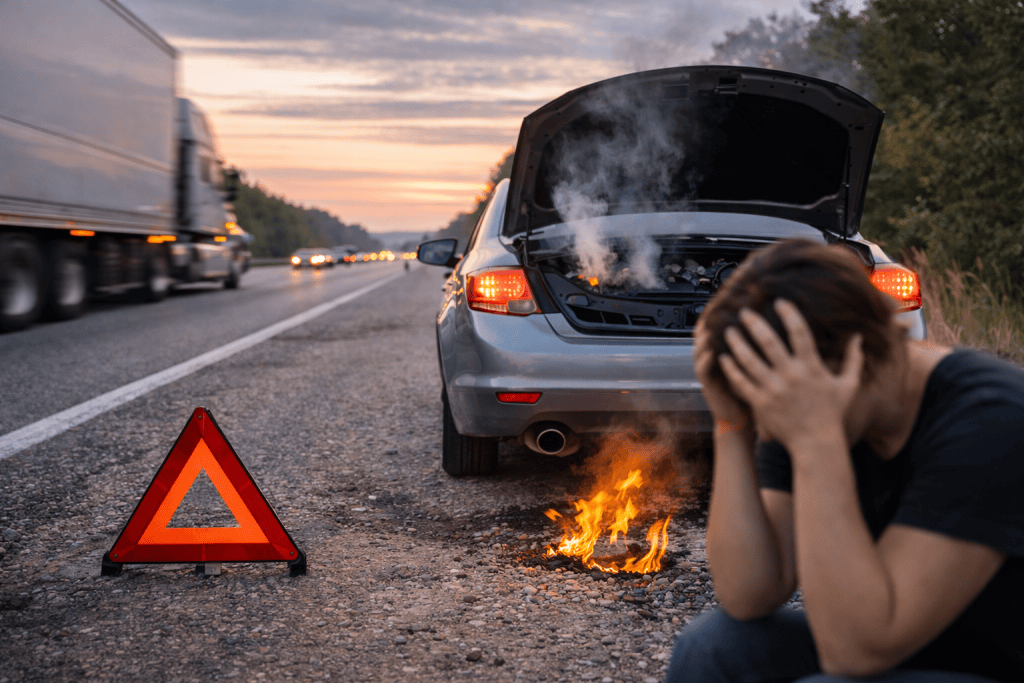
Response time plays a direct role in minimizing hazards. A disabled vehicle on the roadside can quickly become a serious safety threat, especially on highways or poorly lit roads.
A fast tow truck response helps by:
- Reducing the time a vehicle is exposed to traffic
- Lowering the risk of secondary accidents
- Preventing further mechanical damage
- Minimizing stress for stranded drivers
Quick action turns a potentially dangerous situation into a controlled recovery.
Roadside Safety Depends on Speed
One of the most overlooked aspects of towing emergencies is roadside safety during emergencies. Stopped vehicles disrupt traffic flow and create unpredictable driving conditions for others on the road.
Drivers who are forced to wait long periods face increased risks such as:
- Being struck by passing vehicles
- Reduced visibility during night or bad weather
- Driver fatigue or panic
- Exposure to extreme temperatures
Fast towing response limits these risks by clearing the scene efficiently and safely.
The Connection Between Response Time and Vehicle Damage
When a vehicle is left stranded, additional damage can occur. Continued overheating, leaking fluids, or electrical issues can worsen if the car is not removed promptly.
Rapid urgent vehicle recovery helps protect the vehicle by:
- Preventing engine or transmission damage
- Avoiding roadside exposure to weather
- Reducing the likelihood of vandalism or theft
- Ensuring proper handling during transport
Quick towing is often the difference between a simple repair and a costly mechanical failure.
Why Professional Emergency Towing Makes a Difference
Not all towing services are equipped to handle emergencies effectively. Professional emergency towing teams are trained to respond quickly while following strict safety protocols.
Professional towing operators provide:
- Accurate dispatch and location tracking
- Proper equipment for different vehicle types
- Traffic awareness and scene management
- Safe loading and secure transport
- Clear communication with stranded drivers
This level of preparedness allows emergencies to be handled efficiently without creating additional risks.
Understanding the Importance of Towing Response Time
Many drivers underestimate towing response time importance until they experience a breakdown themselves. Delays can lead to frustration, fear, and unnecessary danger.
Fast response times help ensure:
- Drivers spend less time exposed on the roadside
- Traffic congestion is reduced
- Emergency situations don’t escalate
- Drivers regain control of the situation sooner
A reliable towing provider prioritizes response time because they understand what’s at stake.
How RAPID TOWING Prioritizes Speed and Safety
RAPID TOWING is built around rapid response and driver protection. Their team understands that emergencies require immediate action and efficient coordination.
Their approach includes:
- Strategic dispatch locations to reduce arrival time
- Experienced operators trained for emergency scenarios
- Modern tow trucks ready for quick deployment
- Emphasis on safe and controlled vehicle recovery
- Clear communication from call to completion
This commitment ensures that drivers receive help when they need it most.
What Drivers Should Do While Waiting for a Tow
Even with a fast response, drivers play an important role in maintaining safety while waiting for assistance.
Best practices include:
- Turning on hazard lights immediately
- Staying inside the vehicle if conditions allow
- Avoiding standing near traffic lanes
- Providing clear location details when calling
- Remaining calm and alert
These steps help towing professionals perform a quicker and safer recovery.
Common Risks of Delayed Towing Services
Delayed towing responses can result in serious consequences, including:
- Increased risk of collisions
- Escalating mechanical damage
- Driver anxiety or panic
- Traffic backups and road hazards
- Exposure to extreme weather conditions
Fast, professional towing minimizes these risks and restores normal conditions faster.
Conclusion
In emergency towing situations, speed matters. Fast response times reduce danger, protect vehicles, and provide reassurance during stressful moments. By choosing a professional towing provider that prioritizes safety and efficiency, drivers can face unexpected breakdowns with confidence. RAPID TOWING’s commitment to rapid, reliable service ensures that emergencies are handled quickly—turning a moment of crisis into a controlled and secure recovery.